Journal 2

As we end the first journal and transition two the second one I would like to briefly talk about all the information's, I for one never knew and how I would use it in a real scenarios.
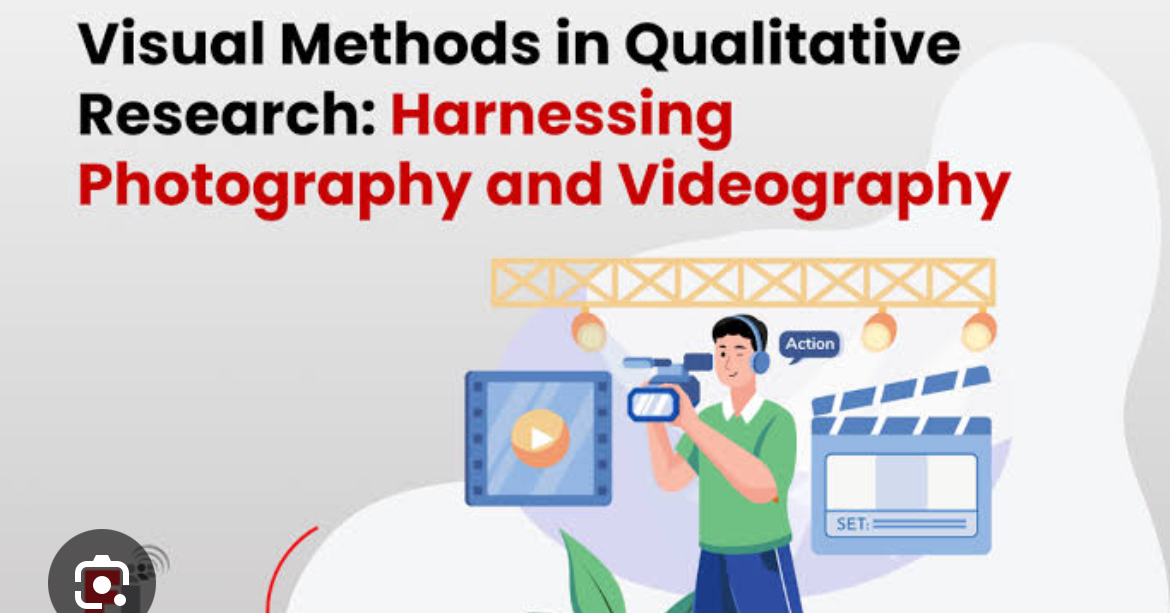
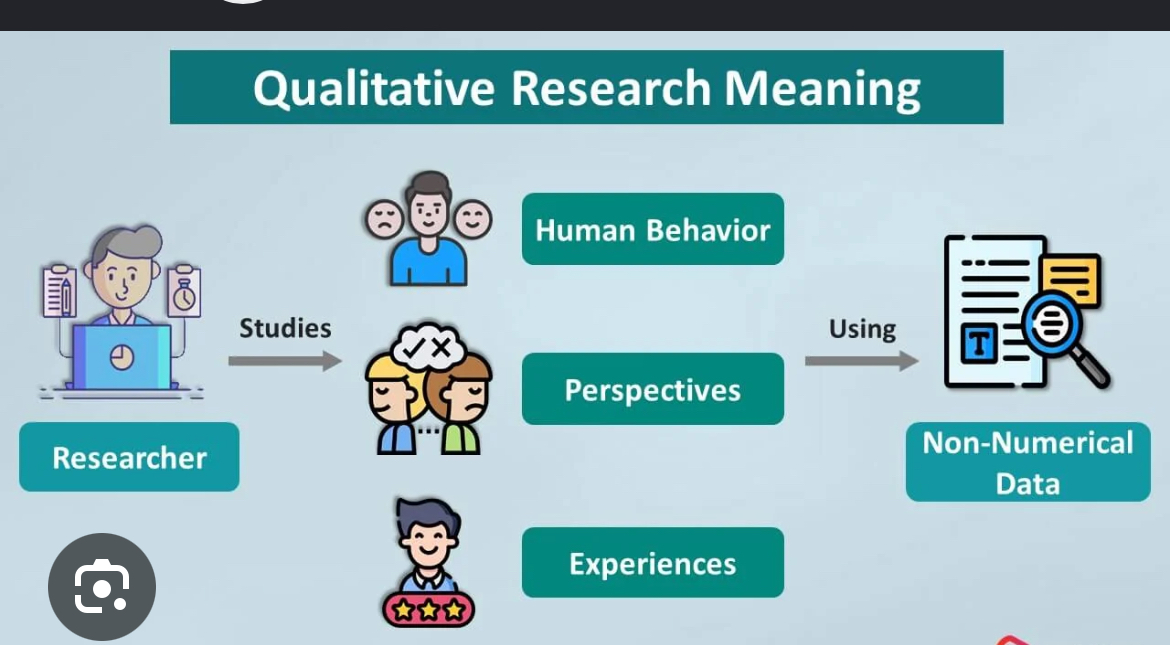
In Qualitative Research Methods for the Social Sciences, Chapter 1, and Visual Research Methods, Chapter 1, I learned that understanding people requires looking beyond statistics and paying attention to their personal experiences, interactions, and perspectives. Something I didn't know before was how much photographs and everyday interactions can help researchers understand society. I also learned through symbolic interactionism that people can give different meanings to the same situation based on their experiences. I can apply this in real life by not judging people based on what I see but taking the time to understand their backgrounds. For example, in criminal justice, understanding someone's experiences can help explain their behavior and how they view certain situations.
In Qualitative Research Methods for the Social Sciences, Chapter 2, and Visual Research Methods, Chapter 2, I learned that research involves planning, asking the right questions, and observing how people interact in their everyday environments. Something I didn't realize before was that researchers can learn a lot simply by watching people's behaviors and interactions. I can use this in real-world situations by paying attention to how people act in different settings, such as schools, workplaces, and neighborhoods. For example, observing how people interact with others can help us understand how society, culture, and social expectations influence behavior.
In Qualitative Research Methods for the Social Sciences, Chapter 3, and Visual Research Methods, Chapter 3, I learned that protecting people's privacy and understanding how information is presented are both important. One thing that stood out to me was that photographs do not always show the entire truth because the camera angle, lighting, and photographer's perspective can change how an image is understood. I also learned that researchers must respect people's privacy and get permission when collecting personal information. I can apply this in real life by not automatically believing everything I see online or in photographs and by being respectful when someone shares personal information. This is especially important in criminal justice, where evidence and people's privacy must be taken seriously.
In Qualitative Research Methods for the Social Sciences, Chapter 4, and Visual Research Methods, Chapter 4, I learned how important communication and understanding different perspectives are when studying people and society. The first book explains how people present themselves differently depending on the situation and who they are speaking with, while the second book explains how historical photographs can help us understand cultural changes and past experiences. Something I didn't know before was that even the way someone communicates or presents themselves can be influenced by their surroundings. I can use this knowledge in real life by being aware that people may act differently depending on who they are around and by looking at historical information to better understand current social issues.